City Real Estate Decision Page

Calgary

Energy and tech economy, CTrain, winter and hail risk, larger homes, and inner-city / suburban trade-offs.

A city shaped by energy, tech, mountain access, and northwest campus geography. CTrain access, winter routines, family rentals, and holding-cost buffers should be reviewed together.
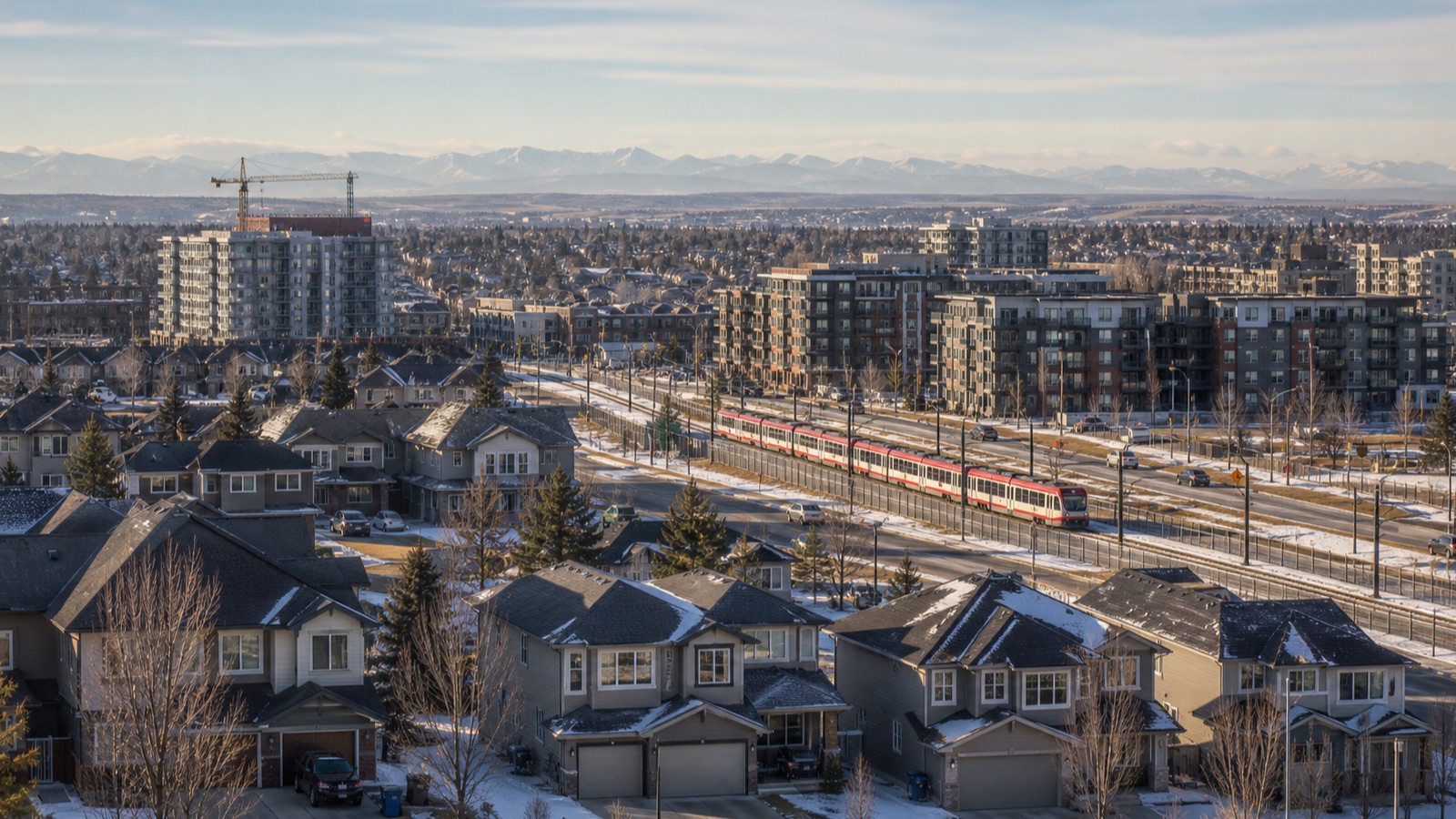
Calgary housing decision visual

The Real Estate Decision Problem in This City

Energy and tech economy, CTrain, winter and hail risk, larger homes, and inner-city / suburban trade-offs.

Households valuing employment access, outdoor life, and family space
Readers comparing University of Calgary student and family housing
Buyers balancing relative affordability with city growth and maintenance risk

Residential Subareas and Daily-Life Systems

  • Beltline / Downtown: apartments and employment nodes, with vacancy and condo-document checks.
  • Northwest / University: UCalgary, health care, and family housing overlap.
  • Suburban rings: more space, but car use, heating, and repairs need budgeting.

Housing Types and Buyer / Renter Profiles

  • Detached homes and townhouses may offer more space, but heating, roof, garage, furnace, and winter upkeep matter.
  • Calgary / Edmonton condos need reserve-fund, fee, and downtown / university / transit demand review.

Holding Cost and Cash-Flow Risk

  • No PST and lower prices do not remove holding-cost risk
  • Energy cycles, insurance, repairs, and vacancy should be modelled conservatively
  • University family-housing changes require current official verification

Commute and Daily Friction

  • CTrain and arterial roads shape the daily map
  • Winter travel, car dependence, and parking are practical constraints
  • Northwest Calgary, downtown, and south Calgary feel materially different

Schools, Universities, Rentals, and Resale Demand

SAIT / Mount Royal University

SAIT and Mount Royal broaden Calgary’s education-housing map beyond UCalgary and deserve future regional campus coverage.

Buyer, Owner, and Landlord Checks

  • UCalgary residence and family-housing information
  • CTrain, permit, insurance, and building-condition records
  • Holding-cost, vacancy, and repair buffers
  • Property tax, tenancy rules, condo documents, permits, and energy-linked community risks should be checked with official and professional sources.

Poor-Fit Profiles and Red Flags

  • No PST and lower prices do not remove holding-cost risk
  • Energy cycles, insurance, repairs, and vacancy should be modelled conservatively
  • University family-housing changes require current official verification
  • Hail, wildfire smoke, winter cold, roof condition, and exterior aging can materially affect insurance and repair budgets.

Related Reading

This page does not provide legal, tax, mortgage, insurance, tenancy, or investment advice. Policy, fee, school, transit, and insurance details can change; verify official sources and current documents.

Turn a City Impression Into Address-Level Questions

A city page can frame the research problem. Once you have an address, check title, permits, strata / condo documents, insurance, tax, leases, commute, and university information directly. PropertyLens helps organize questions and does not replace professional advice.

Create a PropertyLens Report

FAQ

Can this city page decide whether a specific address is worth buying?

No. It builds a local research framework. The final decision still needs the address, documents, budget, and professional review.

Does being near a university guarantee rental demand?

No. A university is only one demand context. Housing type, lease terms, vacancy, repairs, rules, commute, and renter profile still matter.

What does PropertyLens do in this city workflow?

It helps turn city-level concerns into address-level verification questions. It does not promise appreciation, rental success, financing, or compliance outcomes.