Back to Canadian regions

Province Real Estate Decision Page

Saskatchewan

Saskatchewan decisions should combine affordability, employment cycles, university-city demand, winter upkeep, and smaller-market resale liquidity rather than entry cost alone.

Capital and university cities, river corridors, agriculture / resource context, smaller-market liquidity, and winter roads.

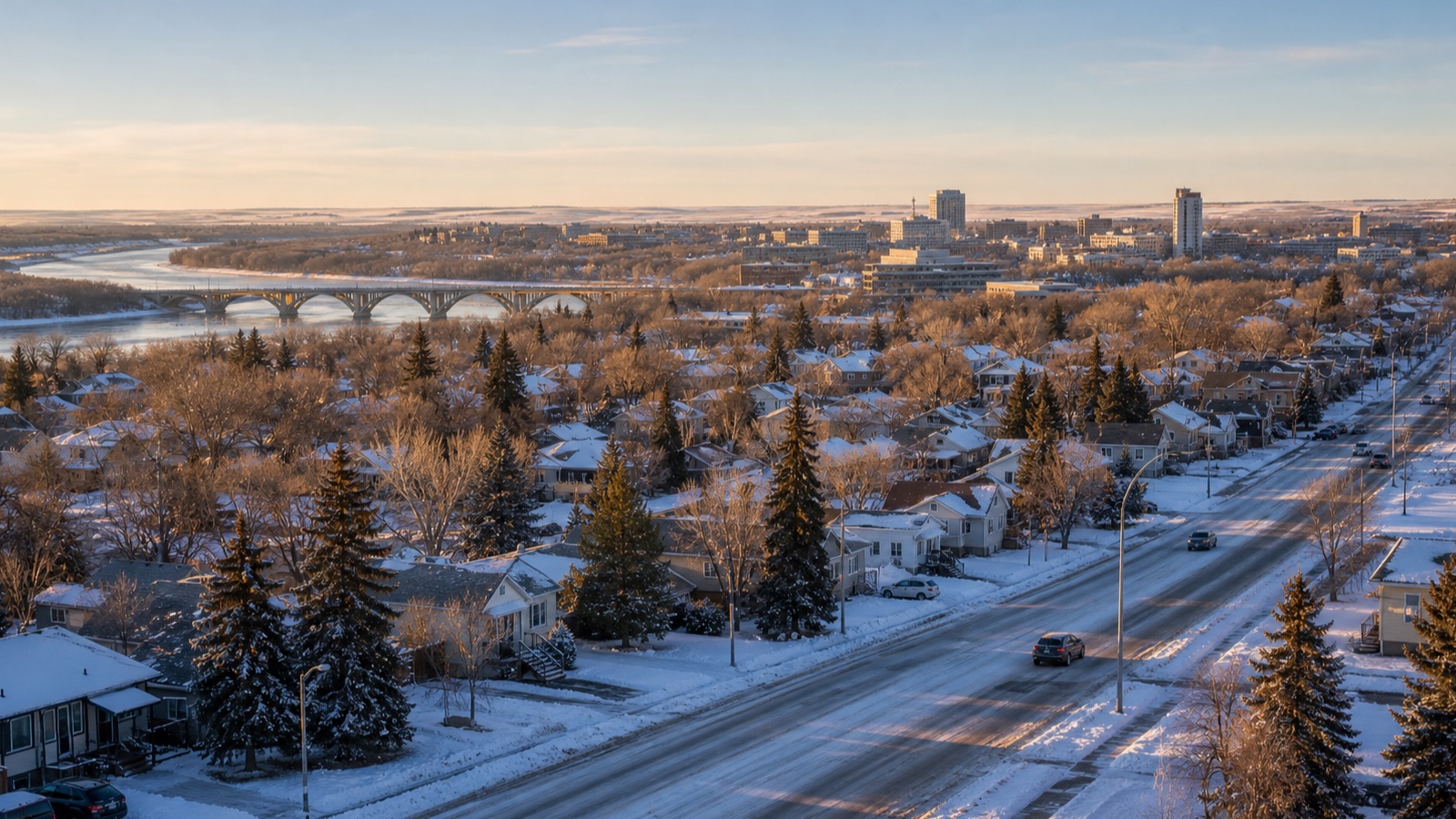
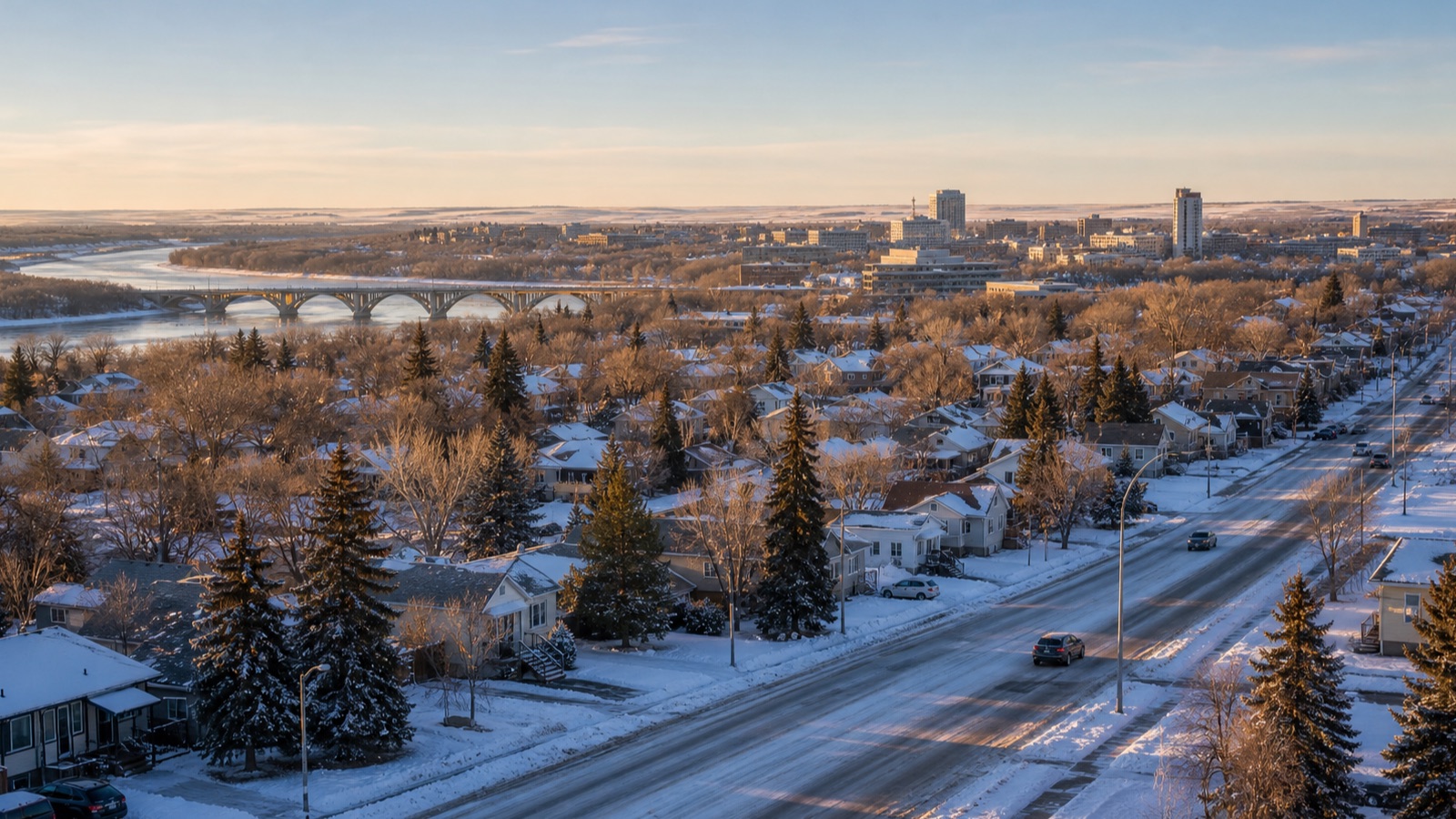
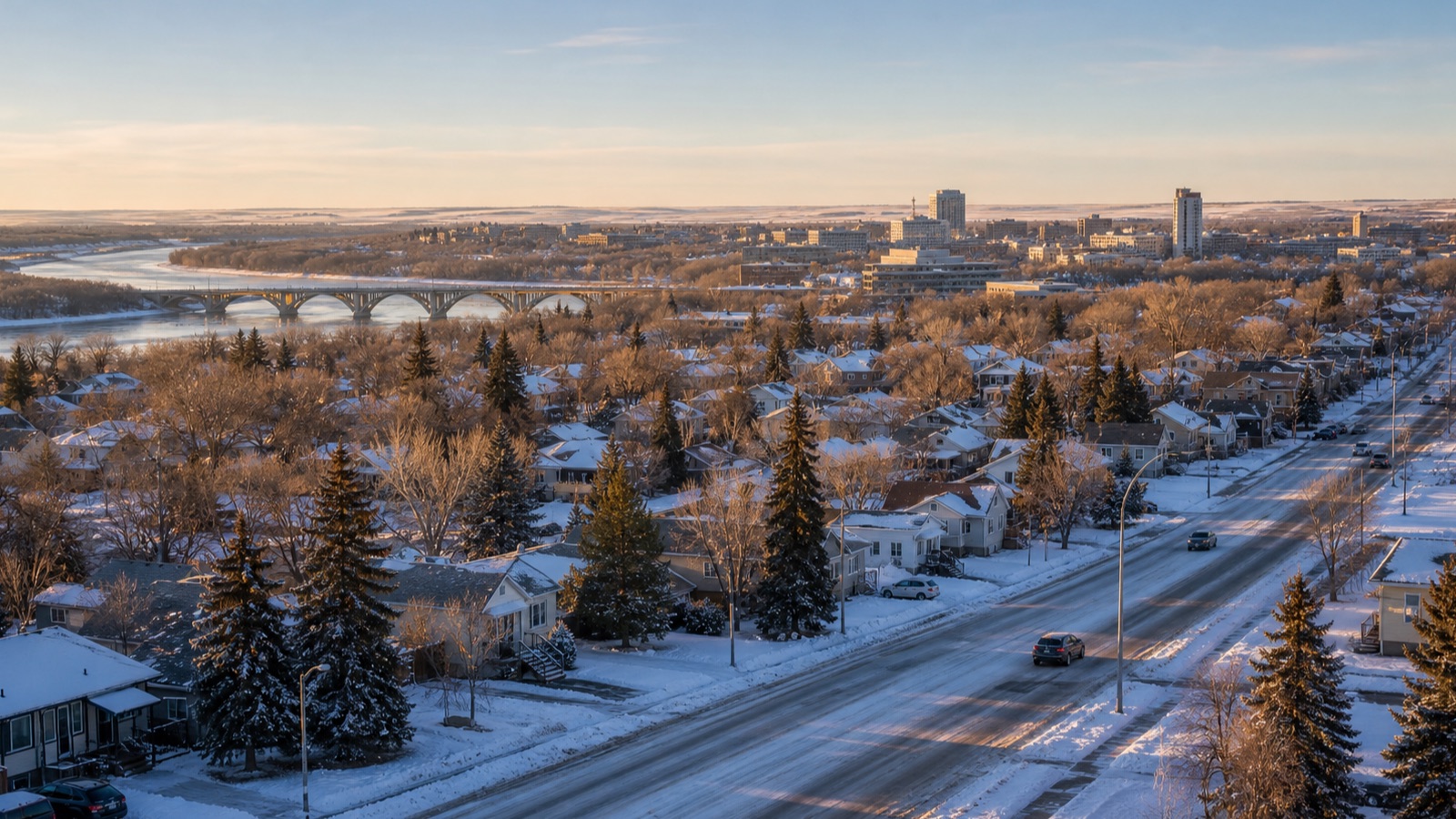
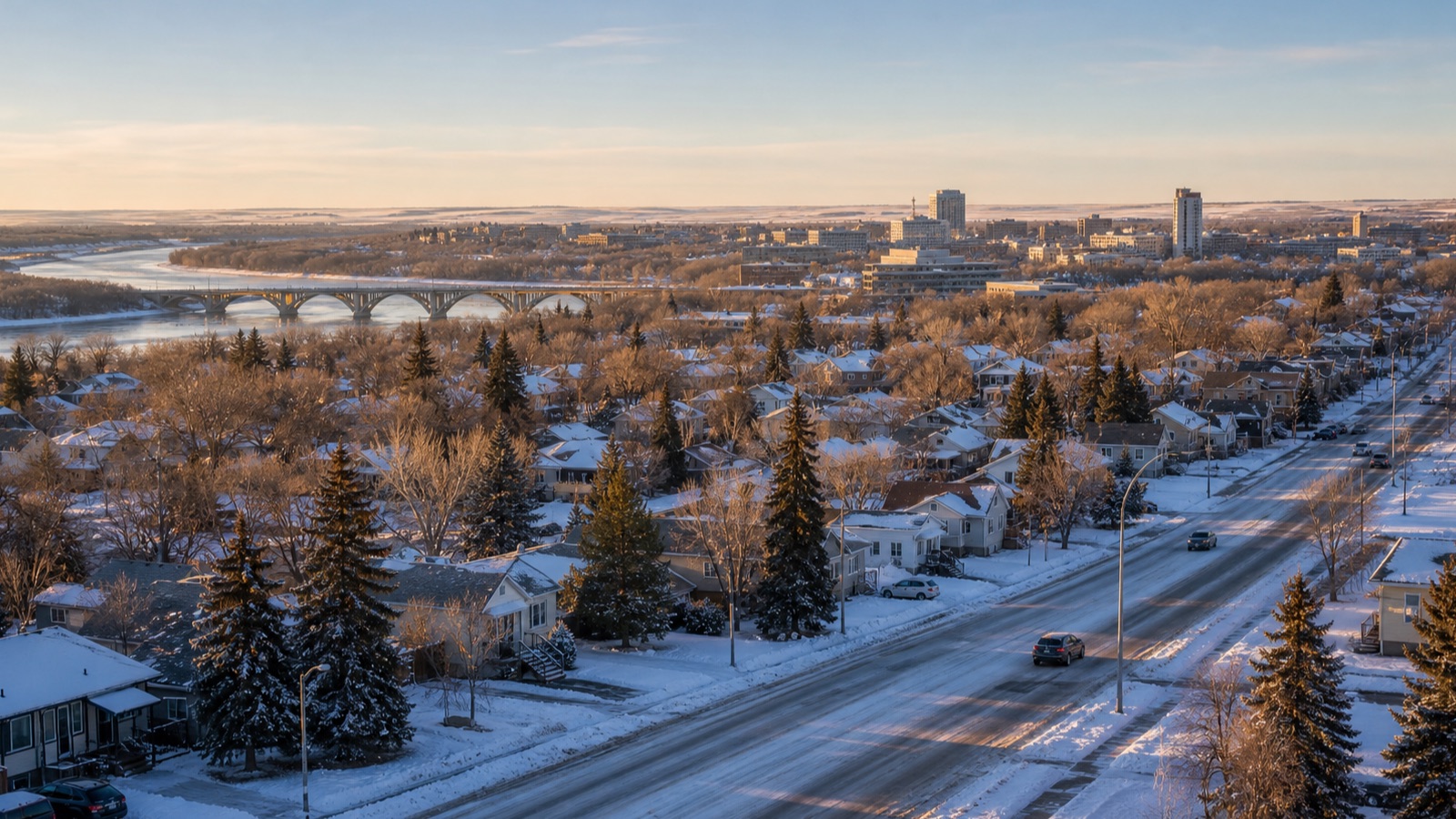
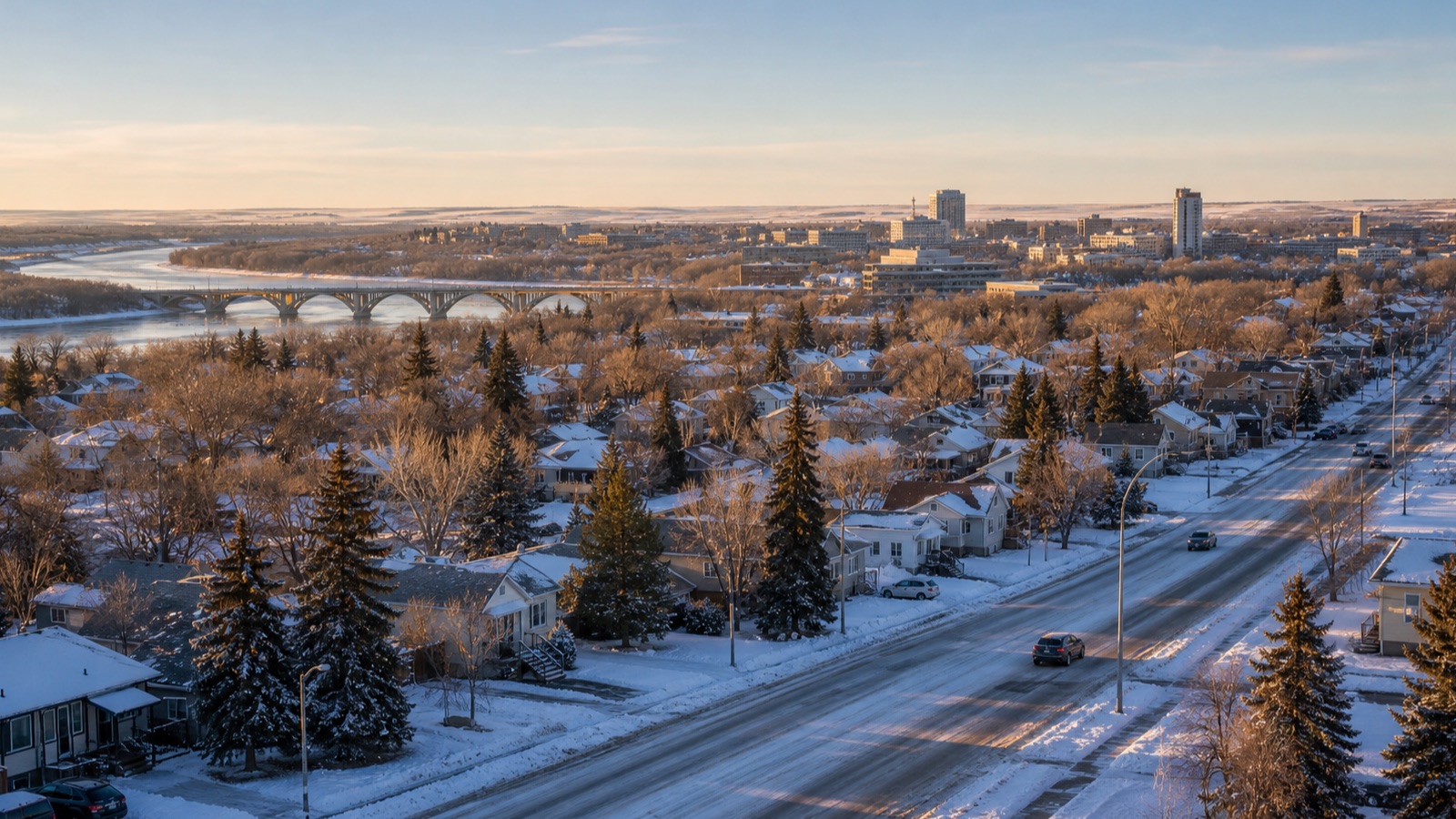
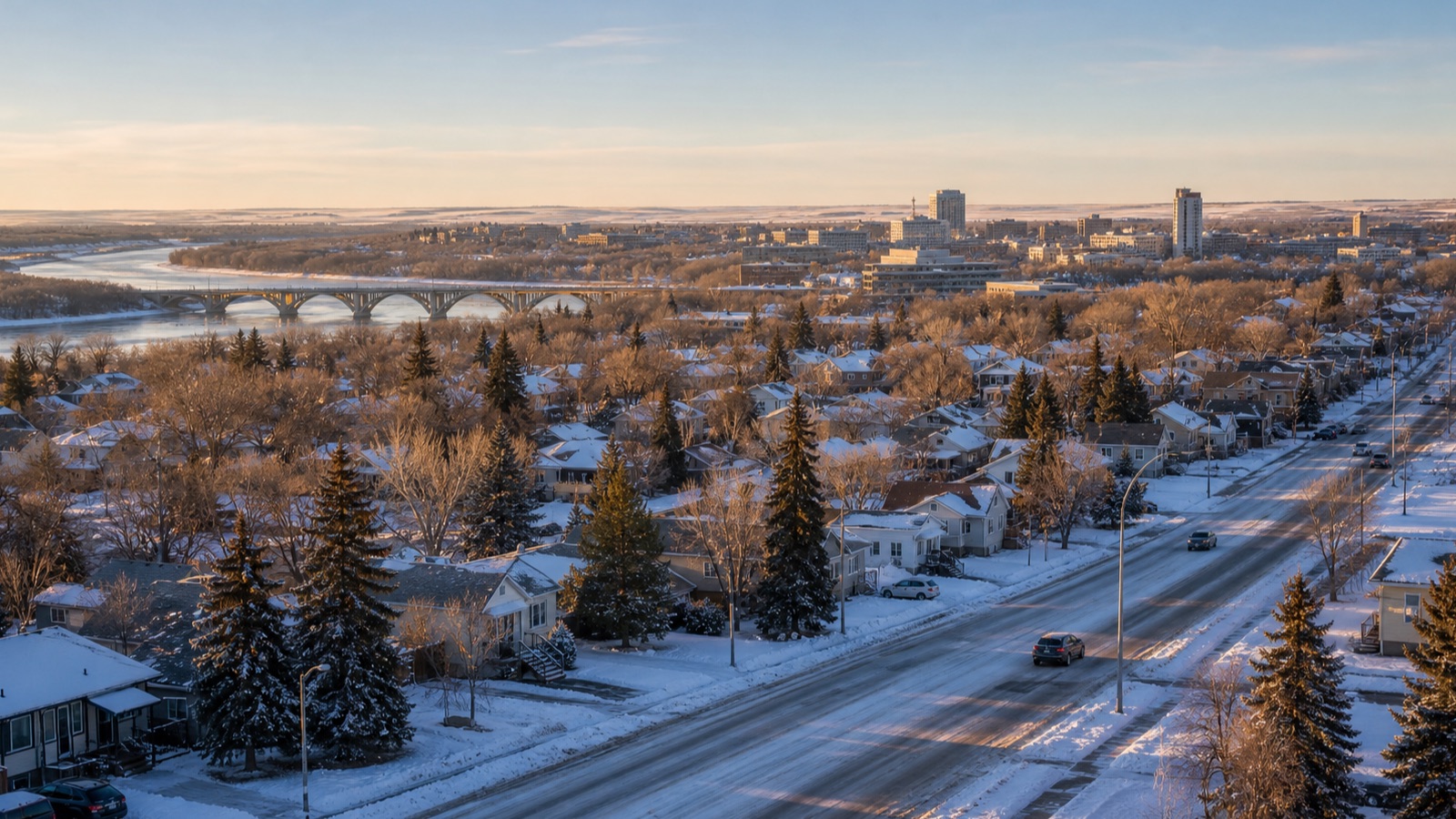
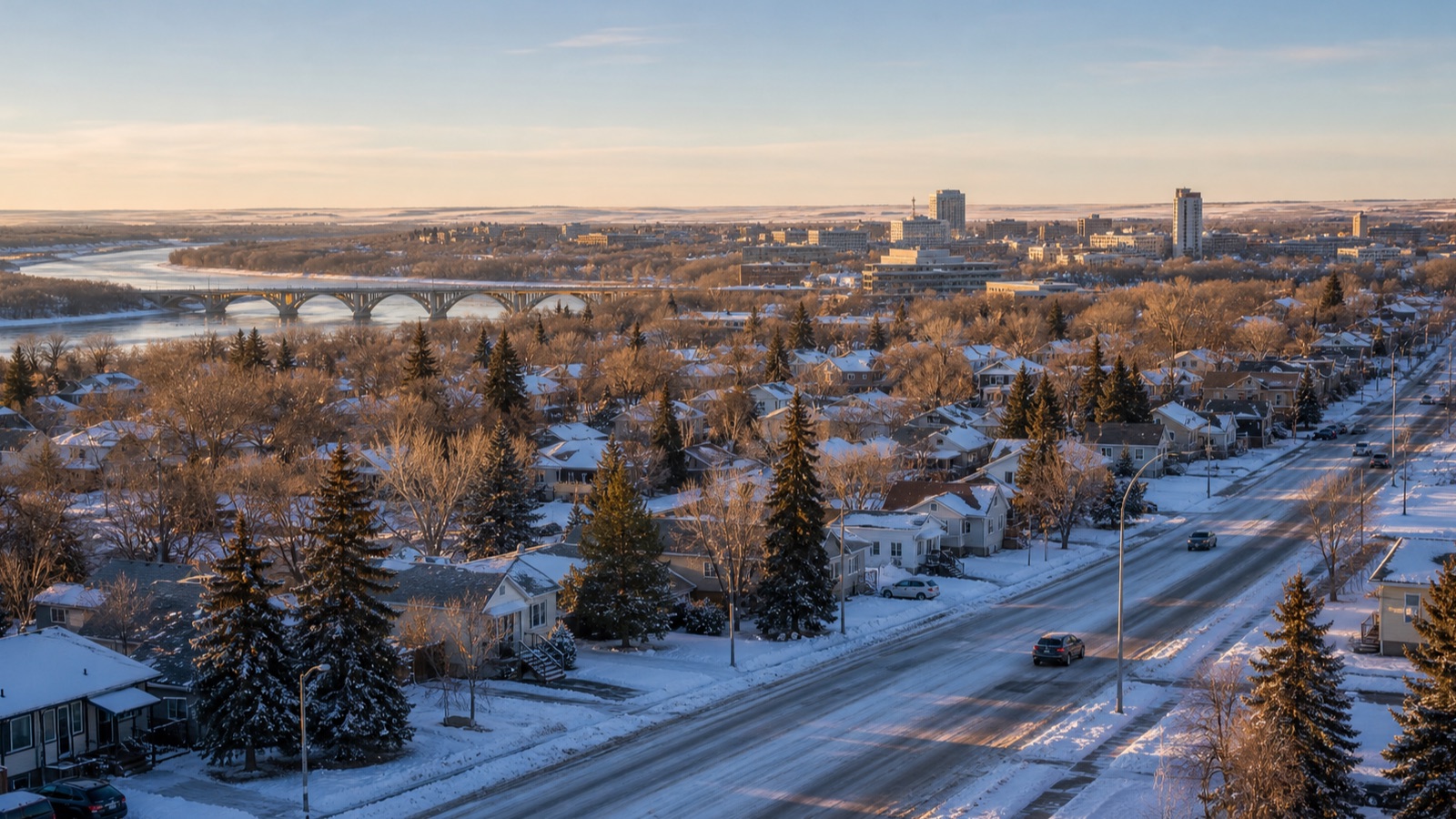
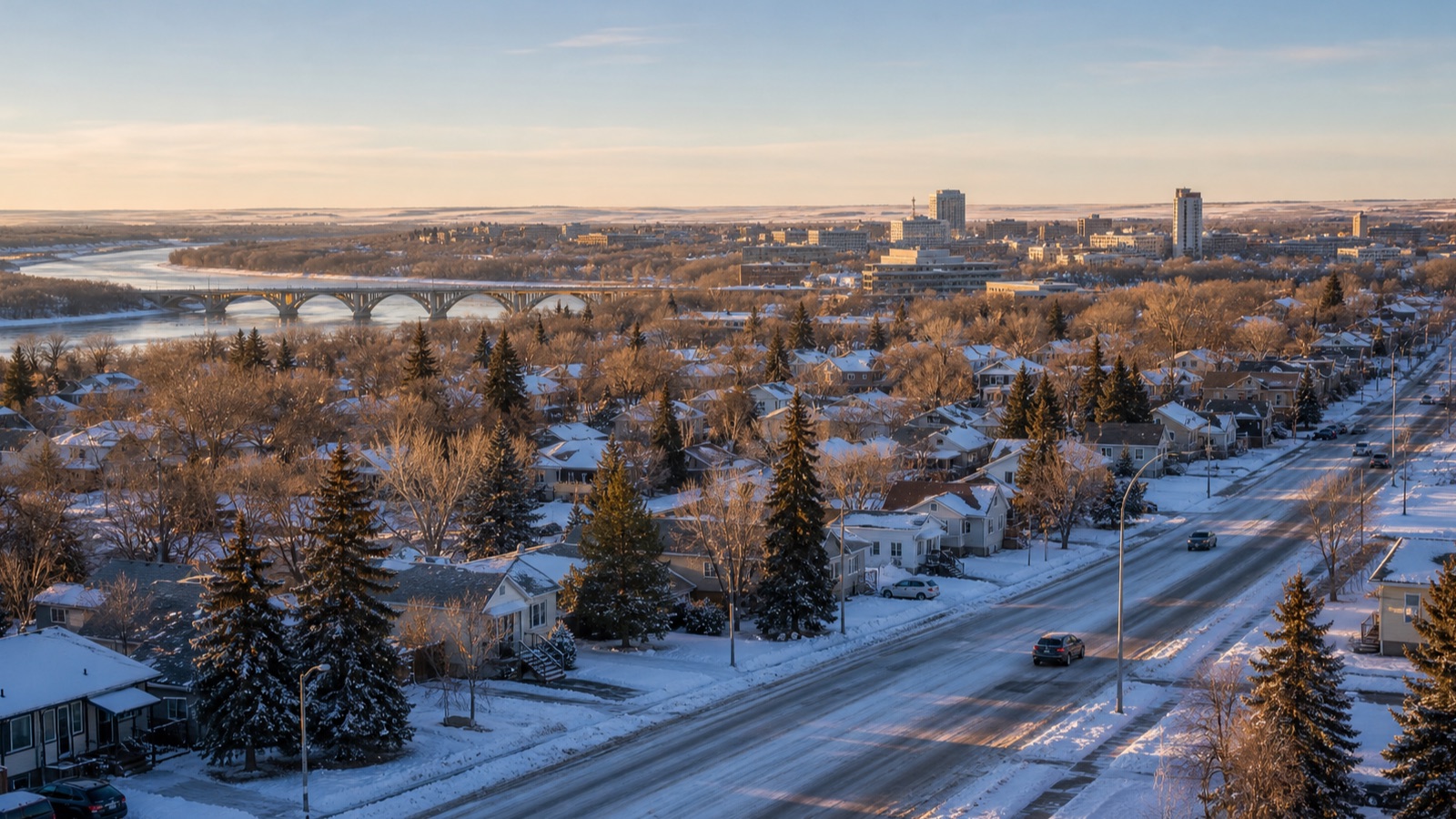
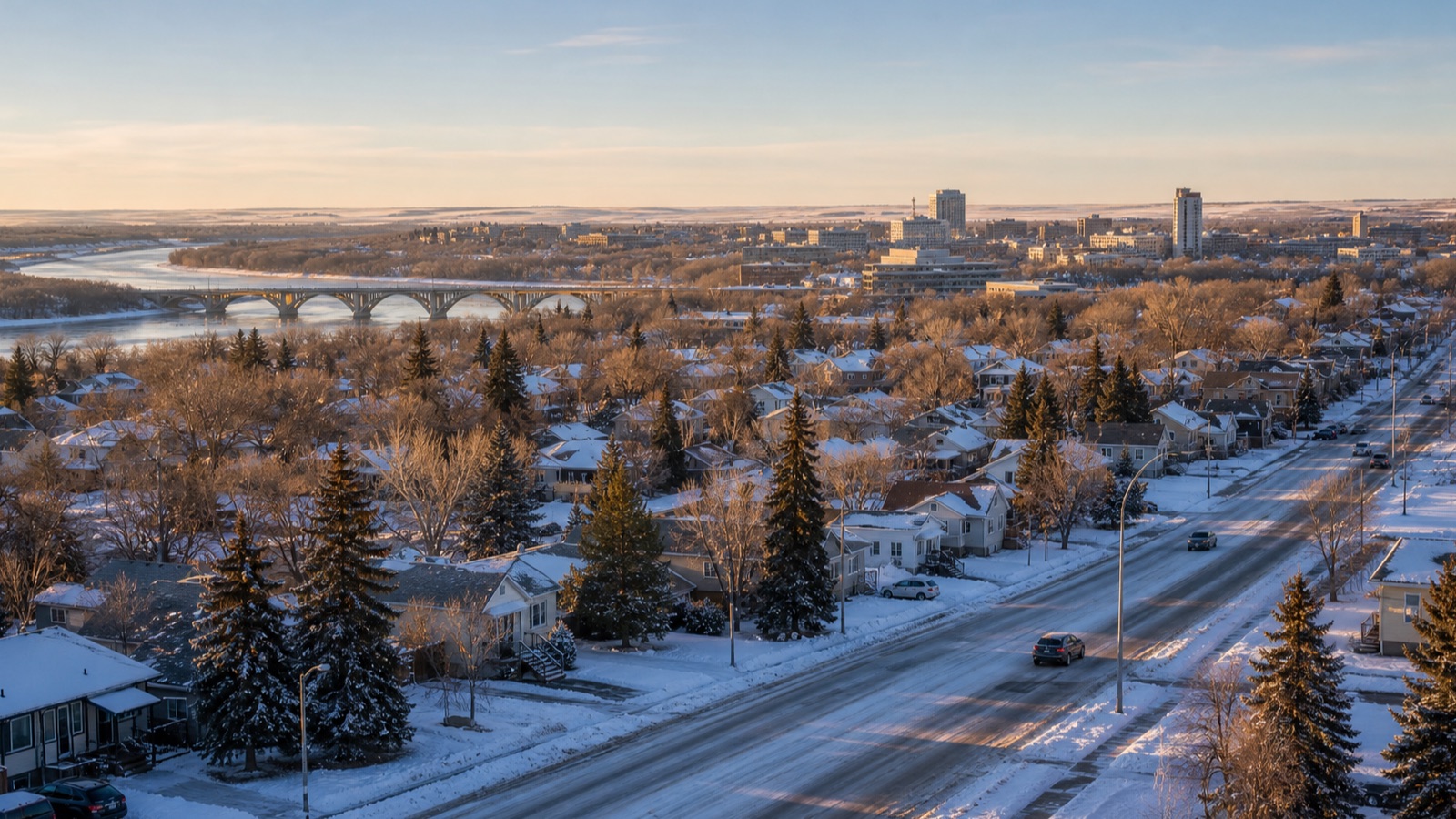
Saskatchewan regional housing visual

Major Cities and Housing Systems

Saskatchewan coverage should distinguish the capital from the largest city, then layer in education, health care, winter life, and smaller-market liquidity.

Regina

Saskatchewan’s capital and a government-employment centre. The decision should include winter life, smaller-market liquidity, and the University of Regina context.

Low
  • Government, education, and local-employment households
  • Buyers seeking a lower-cost Prairie capital city
  • Readers willing to evaluate smaller-market liquidity conservatively
Read city page

Saskatoon

Saskatchewan’s largest city, with strong education and health-care anchors around the University of Saskatchewan.

Low
  • Households valuing education, health care, and mid-sized city life
  • Readers studying University of Saskatchewan-area rentals
  • Buyers comparing Prairie university-city housing
Read city page

Housing Types and Market Structure

  • Detached and low-rise homes are common enough that condition, insurance, energy cost, and winter upkeep are core checks.
  • Regina and Saskatoon differ across government, resource, health, and university demand; rental and resale audiences should be separated.

Tax, Policy, and Document Checks

  • Property tax, tenancy rules, permits, rural / small-city zoning, and insurance conditions need official and professional review.

Rental and Landlord Risk

  • Resale and rental demand are narrower than in major metros
  • Low price does not guarantee low repair cost
  • Long-term rentals need local demand and lease review
  • University-town status does not make every housing type resilient
  • Rental and resale audiences should be split between students, health-care workers, and families

Insurance and Climate Risk

  • Winter roads, cold temperatures, roofs, exteriors, furnace condition, and basement humidity affect ownership decisions.

Major Universities and Higher-Education Housing Links

Province-Level Due Diligence Checklist

University of Regina housing and campus information
Building condition, insurance, heating, and maintenance records
Local tenancy and neighbourhood information
University of Saskatchewan housing and campus information
Building condition, insurance, and repair records
Local lease and neighbourhood data

This page does not provide legal, tax, mortgage, insurance, tenancy, or investment advice. Verify policy, fee, insurance, school, transit, and tenancy details with official sources, current documents, and qualified professionals.

When You Have an Address, Move From Province Context to Property Checks

A province page can frame systems and risks, but many decisions sit inside the address, title, permits, strata / condo documents, insurance, and leases. PropertyLens helps organize verification questions without promising investment outcomes.

Create a PropertyLens Report

FAQ

Can a province page replace a city page?

No. Province pages frame systems and risk categories. City pages go deeper into commute, housing types, schools / universities, and daily friction.

Why not list exact prices or rents here?

This page is a decision framework. Prices, rents, and fees are time-sensitive and should be verified against official data, professional reports, and current market evidence.

Does a university area mean a property is investment-ready?

No. A university is only one demand context. Housing type, lease terms, vacancy, repairs, commute, regulation, and address-specific conditions still need review.