
Emily Carr Student Housing Guide: Shared Rentals, Roommate Strategy, and What to Do When There Is No Residence
A student housing guide for Emily Carr University. Uses official Emily Carr off-campus housing resources and housing FAQ documents to explain shared rentals, roommate matching, temporary housing, and off-campus search timing.
Updated 2026-05-18
This article is organized from 4 public sources, last fact-checked 2026-05-28; full sources and review status appear after the article.
Research Notes and Decision Checklist
Key takeaways
- A student housing guide for Emily Carr University. Uses official Emily Carr off-campus housing resources and housing FAQ documents to explain shared rentals, roommate matching, temporary housing, and off-campus search timing.
- Confirm the facts that apply to the specific property, city, and timing before relying on any general market observation.
- Bring unresolved legal, tax, financing, inspection, or insurance questions to the appropriate licensed professional.
Who this is for
Buyers, investors, families, and advisors who need a clearer way to organize Canadian real estate information before making a decision.
When to use PropertyLens
Use PropertyLens when you already have a target address and want a structured property report before deeper due diligence.
Decision checklist
- 1Identify the specific decision you are trying to make.
- 2Separate confirmed facts from assumptions that still need verification.
- 3Turn every unresolved issue into a follow-up question for the right professional.
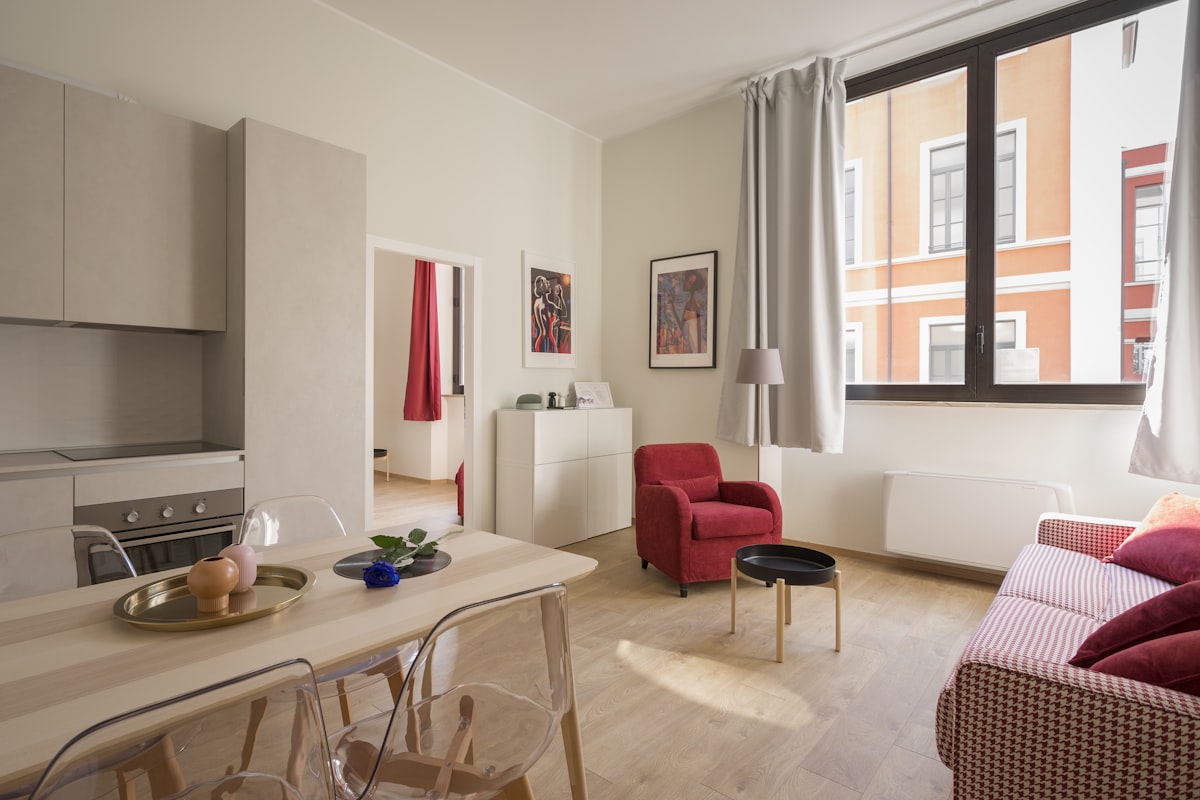
Emily Carr students need to start with one fact that changes everything: the university does not have on-campus residence.
Emily Carr’s housing FAQ says that clearly, then immediately points students toward neighbourhood planning, transit logic, and off-campus search strategy.
Article Navigation
- What “No Residence” Really Means
- Why Shared Rentals Matter So Much
- How Emily Carr Helps Without Doing the Search for You
- When Temporary Housing Is the Smartest First Step
- The Timing Rule Students Should Follow
- Shared Rental Readiness Checklist
- Extended Reading
- Frequently Asked Questions FAQ
What “No Residence” Really Means
Emily Carr’s housing FAQ says:
- the university does not have a campus residence,
- the campus is in a central area close to many neighbourhoods,
- and the transit system makes Vancouver, Burnaby, and New Westminster realistic parts of the search map
That means new students should not ask “How do I get into residence?” They should ask:
- should I share,
- should I sublet,
- should I use temporary housing,
- and how much commute can I realistically tolerate?
Why Shared Rentals Matter So Much
Emily Carr’s neighbourhood and search guidance repeatedly points students toward:
- shared houses,
- apartments with roommates,
- basement suites,
- sublets,
- and off-campus student-oriented providers such as GEC Living
This is not a side path. It is the main housing path for many students.
In Vancouver, shared rentals matter because they can reduce:
- monthly rent burden,
- furniture costs,
- and the difficulty of entering the market alone.
How Emily Carr Helps Without Doing the Search for You
Emily Carr’s housing FAQ is honest: the housing office cannot find housing on your behalf.
But it can help by:
- explaining neighbourhood differences,
- offering planning advice,
- pointing you to temporary housing options,
- and helping students find house-hunting partners through its Roommate Matchmaker program
The FAQ says the university matches students based on:
- interests,
- major,
- sleep style,
- preferred neighbourhood,
- and budget preferences
That is useful support, but it is not a housing guarantee.
When Temporary Housing Is the Smartest First Step
Emily Carr’s FAQ strongly recommends temporary housing for many arrivals. It says it is difficult and not recommended to secure housing from abroad unless you work through a reputable agent or homestay company.
The same FAQ also recommends arriving in Vancouver at least a month before the semester starts when possible, so you can focus on finding housing before classes begin.
That makes temporary housing a smart first step when:
- you are arriving from outside Canada,
- you need time to visit units in person,
- you want to avoid scams,
- or you are still deciding which neighbourhood actually fits.
[!IMPORTANT] Emily Carr Student Rule: When there is no residence, your first housing win is not “finding the perfect place from abroad.” It is building a safe and realistic arrival plan.
The Timing Rule Students Should Follow
Emily Carr’s FAQ says vacancies are often advertised roughly a month before the move-in date and that good deals go fast, especially in summer.
That means students should:
- begin research early,
- set alerts,
- prepare an application package,
- and be ready to move quickly once they are physically in Vancouver.
Shared Rental Readiness Checklist
Emily Carr students should treat shared housing as a structured application process, not a casual room search. Before messaging listings, prepare proof of funds, references, preferred move-in date, roommate expectations, pet or storage needs, and a clear maximum budget. Vancouver moves quickly enough that hesitation can cost the best options.
The roommate screen matters as much as the room. Creative students should discuss work hours, materials, guests, noise, cleaning, shared tables, and whether home is only for sleeping or also for making. A cheaper room can become expensive if the household rhythm blocks studio work or sleep.
Temporary housing can be rational when students need to inspect neighbourhoods in person. The risk is letting a short stay become an emergency search, so set a deadline and backup list before arriving.
Extended Reading
- Emily Carr Neighbourhood Playbook: Mount Pleasant, Olympic Village, Commercial Drive, and How to Choose Your Orbit
- Emily Carr Transit Guide: Broadway Subway, Current Bus Access, and How Commute Logic Changes by Neighborhood
- Emily Carr Live-Work Guide: Studio Space, Small Apartments, and the Real Cost of Creative Housing in Vancouver
Frequently Asked Questions FAQ
Q1: Does Emily Carr offer student residence?
A: No. Emily Carr’s housing FAQ explicitly says the university does not have on-campus residence.
Q2: Is roommate matching a real university tool?
A: Yes. Emily Carr’s housing office offers a Roommate Matchmaker process, but it does not replace the need to search actively.
Q3: What is the biggest Emily Carr housing mistake?
A: Assuming the university’s support means the search will happen for you or can safely be finished from abroad.
Next Steps
For Emily Carr students, housing strategy starts with realism: no residence, competitive listings, and a city where shared rentals often make the whole plan possible.
Get an Emily Carr Student Housing Strategy Report →
About the Author: InsightEstate editorial team, specializing in student rental strategy, off-campus housing systems, and relocation planning for creative programs.
Disclaimer: Housing support programs, listing conditions, and market timing can change. Always verify current Emily Carr guidance and live rental conditions before committing.
Sources and Fact-Check Status
- Emily Carr Off-Campus Housing (Emily Carr University of Art + Design · 2026-05-28)
- Emily Carr Start Your Search (Emily Carr University of Art + Design · 2026-05-28)
- Emily Carr Future Students (Emily Carr University of Art + Design · 2026-05-28)
- Province of British Columbia: Subletting and assigning tenancies (Government of British Columbia · 2026-05-28)
Related Reading
Canadian University Housing and Real Estate
Neighbourhood Selection
Emily Carr Neighbourhood Playbook: Mount Pleasant, Olympic Village, Commercial Drive, and How to Choose Your Orbit
Emily Carr students do not live in one campus bubble. This guide explains how to compare Mount Pleasant, Olympic Village, Commercial Drive, and other transit-linked districts around Great Northern Way.
Neighbourhood Selection
Emily Carr Live-Work Guide: Studio Space, Small Apartments, and the Real Cost of Creative Housing in Vancouver
For Emily Carr students, a home is often also a workspace. This guide explains how to think about small apartments, shared homes, storage, and studio workflow without romanticizing cramped creative living.
Campus Family Rentals
Emily Carr Pet-Friendly Family Rental Guide: Deposits, Building Rules, and How to Search Without Wasting Time
Pet-friendly family rentals near Emily Carr are possible, but the search gets distorted fast if you ignore building rules and BC deposit law. This guide explains how to search more efficiently around Great Northern Way.
InsightEstate.CA
Return to Property Intelligence Lab for more Canadian real estate research and practical analysis.