
McGill Family Rental Guide: Downtown Montreal Budgets, Lease Rules, Neighbourhoods, and Real Household Fit
A McGill family rental guide comparing downtown Montreal, Milton Park, Plateau, NDG, family budgets, lease timing, childcare, and commute trade-offs.
Updated 2026-05-18
This article is organized from 4 public sources, last fact-checked 2026-05-28; full sources and review status appear after the article.
Research Notes and Decision Checklist
Key takeaways
- A McGill family rental guide comparing downtown Montreal, Milton Park, Plateau, NDG, family budgets, lease timing, childcare, and commute trade-offs.
- Confirm the facts that apply to the specific property, city, and timing before relying on any general market observation.
- Bring unresolved legal, tax, financing, inspection, or insurance questions to the appropriate licensed professional.
Who this is for
Buyers, investors, families, and advisors who need a clearer way to organize Canadian real estate information before making a decision.
When to use PropertyLens
Use PropertyLens when you already have a target address and want a structured property report before deeper due diligence.
Decision checklist
- 1Identify the specific decision you are trying to make.
- 2Separate confirmed facts from assumptions that still need verification.
- 3Turn every unresolved issue into a follow-up question for the right professional.
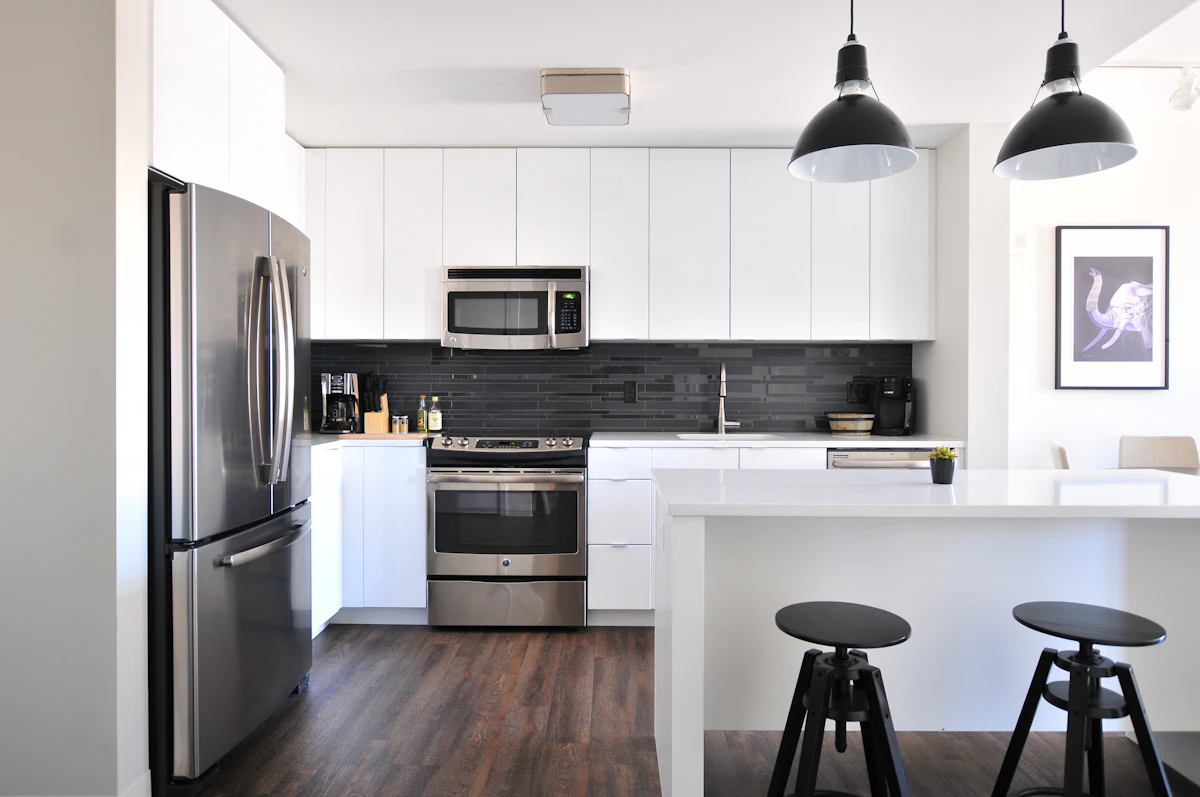
Family housing near McGill works differently from family housing near many other major Canadian universities.
Part of that is Montreal itself. Part of it is McGill’s downtown location. And part of it is Quebec’s lease structure, which changes the risk profile of every rental decision.
CMHC’s 2025 Rental Market Report says Greater Montreal’s purpose-built rental vacancy rate rose to 2.9%, with an average 2-bedroom purpose-built rent of CAD 1,346 and an average 2-bedroom condominium apartment rent of CAD 1,826. That is more affordable than Vancouver or Toronto on the surface. But families near McGill still face trade-offs around older stock, smaller downtown layouts, and lease timing.
Article Navigation
- Why the McGill Family Market Is More Nuanced Than It Looks
- The Three Main Family Housing Paths Near McGill
- What Different Budgets Usually Buy
- Which Neighbourhood Pattern Fits Which Household
- How Quebec Lease Rules Change Family Strategy
- Extended Reading
- Frequently Asked Questions FAQ
Why the McGill Family Market Is More Nuanced Than It Looks
McGill sits inside central Montreal, where households can often find lower headline rents than in Toronto or Vancouver. But the family market is still constrained by:
- older apartment stock,
- strong competition for functional larger units,
- and downtown trade-offs around groceries, noise, and building quality.
McGill’s own off-campus guidance pushes students toward learning the Montreal market before signing. For families, that matters even more because the wrong unit is not just inconvenient. It can lock you into a full Quebec lease cycle with a routine that does not work.
The Three Main Family Housing Paths Near McGill
1. Campus-Controlled Family or Graduate Housing
McGill’s graduate housing fee page shows two specific family residences in its downtown portfolio:
- 3481 University – Rexford Hall with unfurnished one-bedroom and two-bedroom apartments,
- 3643 University with studio and one-bedroom apartments.
These are limited, but they matter because they offer a near-campus alternative that is structurally different from open-market downtown renting.
2. Downtown and Immediate Campus Edge
This includes:
- Milton Park,
- Shaughnessy Village,
- Golden Square Mile edge,
- and other walkable or short-Metro zones.
The advantage is less commuting friction. The trade-off is smaller units, fewer grocery options, and more pressure on rent for well-located family-size apartments.
3. Metro-Linked Residential Neighbourhoods
For many families, this is the real sweet spot. Montreal’s transit system makes it possible to live outside the immediate McGill halo while still keeping the campus accessible, especially if you live close to a Metro station.
What Different Budgets Usually Buy
Under CAD 1,800 per Month
This can be workable in Montreal in ways it would not be in Toronto, but for families near McGill it often means:
- older stock,
- a longer walk or transit trip,
- or compromises on layout and finish.
CAD 1,800 to 2,400 per Month
This is where many practical two-bedroom conversations start, especially outside the most central downtown blocks. Families often gain better function if they stop optimizing for walk-to-campus prestige.
Above CAD 2,400 per Month
This opens stronger central options and better-finished units, but the household should still ask whether the extra cost is improving life or just purchasing proximity.
[!IMPORTANT] Montreal Rule: Near McGill, the best family rental is often not the closest apartment. It is the one with the best mix of room count, Metro reliability, and lease fit.
Which Neighbourhood Pattern Fits Which Household
Best for Maximum Campus Access
- Milton Park
- immediate downtown edge
- parts of Shaughnessy Village
These work well when one adult is heavily campus-based and daily friction must stay low.
Best for Family Rhythm and Better Value
- Plateau-Mont-Royal near Metro access,
- NDG or Verdun for more residential energy,
- and other Metro-linked areas where daily living feels easier.
McGill’s own Montreal guide for students highlights these neighbourhood patterns for their mix of atmosphere, transit, and value.
Best for Larger-Household Logic
If the unit must support children, storage, and a more adult schedule, being one short Metro ride away is often better than squeezing into a tiny downtown apartment that looks convenient on paper.
How Quebec Lease Rules Change Family Strategy
McGill’s rental-information page makes several Quebec-specific points families should not ignore:
- leases are often 12 months,
- you cannot casually sign and then “just break it,”
- and leases are automatically renewed if you do not advise the landlord in writing at least 3 months before the end.
McGill also notes that students without Canadian credit history may need to provide other financial information or make other arrangements with landlords.
That means family renters near McGill should treat lease timing as seriously as the neighbourhood search.
McGill Family Rental Decision Rules
Choose downtown or Milton Park when daily campus access is worth the premium and the unit still works as a home. Choose Plateau, NDG, or another transit-linked neighbourhood when the household gains meaningful space, quiet, or services without making the commute fragile.
Budget beyond rent: heating, electricity, internet, tenant insurance, furniture, laundry, transit, childcare, and moving costs. Montreal can be comparatively affordable, but near-campus family choices still need full-year math.
Extended Reading
- McGill Montreal Neighbourhood Playbook: Downtown, Milton Park, Plateau, NDG, and How to Choose Your Orbit
- McGill Graduate and Family Housing Guide: Solin, Rexford Hall, University Street, and the Limited Supply Problem
- McGill Downtown vs Macdonald Commute Guide: Shuttle, Metro, and the Two-Campus Reality
Frequently Asked Questions FAQ
Do McGill families need to live downtown?
No. Downtown is convenient, but Plateau, NDG, Westmount-adjacent areas, and transit-linked neighbourhoods may offer better household fit.
Is Montreal automatically affordable for student families?
Not automatically. City averages can hide near-campus premiums, moving costs, heating, furnishing, and lease timing risks.
What should international families check first?
Lease dates, required documents, language needs, childcare or school access, heating costs, and commute reliability should be checked before focusing on rent alone.
Sources and Fact-Check Status
- McGill Student Housing and Hospitality Services (McGill University · 2026-05-28)
- McGill Off-Campus Housing (McGill University · 2026-05-28)
- McGill Inter-Campus Shuttle Service (McGill University · 2026-05-28)
- Tribunal administratif du logement: Payment of rent (Tribunal administratif du logement · 2026-05-28)
Related Reading
Canadian University Housing and Real Estate
Campus Commute
McGill Montreal Neighbourhood Playbook: Downtown, Milton Park, Plateau, NDG, Westmount Edge, and Commute Logic
McGill students often search by distance, but Montreal housing works by neighbourhood rhythm. This playbook compares downtown, Milton Park, Plateau, NDG, Westmount-edge options, and commute trade-offs.
Campus Family Rentals
McGill Graduate and Family Housing Guide: Solin Hall, University Street, Limited Supply, and Private-Market Backup Plans
McGill graduate and family housing is useful but limited, so applicants need a backup plan. This guide explains how to compare Solin Hall, University Street options, private rentals, commute, and lease timing.
Campus Commute
McGill Downtown vs Macdonald Commute Guide: Shuttle, Metro, and the Two-Campus Reality
McGill is not a one-campus university. If your life involves Macdonald Campus, the housing map changes fast. This guide explains the downtown-Macdonald split, shuttle limits, and who should treat commute structure as the main housing filter.
InsightEstate.CA
Return to Property Intelligence Lab for more Canadian real estate research and practical analysis.