
UBC Family Rental Guide: On-Campus Options, Point Grey, Wesbrook, Schools, Childcare, and Vancouver Budget Reality
A UBC family rental guide comparing on-campus housing, Point Grey, Wesbrook Village, Vancouver West Side rentals, schools, childcare, transit, lease timing, and total budget.
Updated 2026-05-18
This article is organized from 4 public sources, last fact-checked 2026-05-28; full sources and review status appear after the article.
Research Notes and Decision Checklist
Key takeaways
- A UBC family rental guide comparing on-campus housing, Point Grey, Wesbrook Village, Vancouver West Side rentals, schools, childcare, transit, lease timing, and total budget.
- Confirm the facts that apply to the specific property, city, and timing before relying on any general market observation.
- Bring unresolved legal, tax, financing, inspection, or insurance questions to the appropriate licensed professional.
Who this is for
Buyers, investors, families, and advisors who need a clearer way to organize Canadian real estate information before making a decision.
When to use PropertyLens
Use PropertyLens when you already have a target address and want a structured property report before deeper due diligence.
Decision checklist
- 1Identify the specific decision you are trying to make.
- 2Separate confirmed facts from assumptions that still need verification.
- 3Turn every unresolved issue into a follow-up question for the right professional.
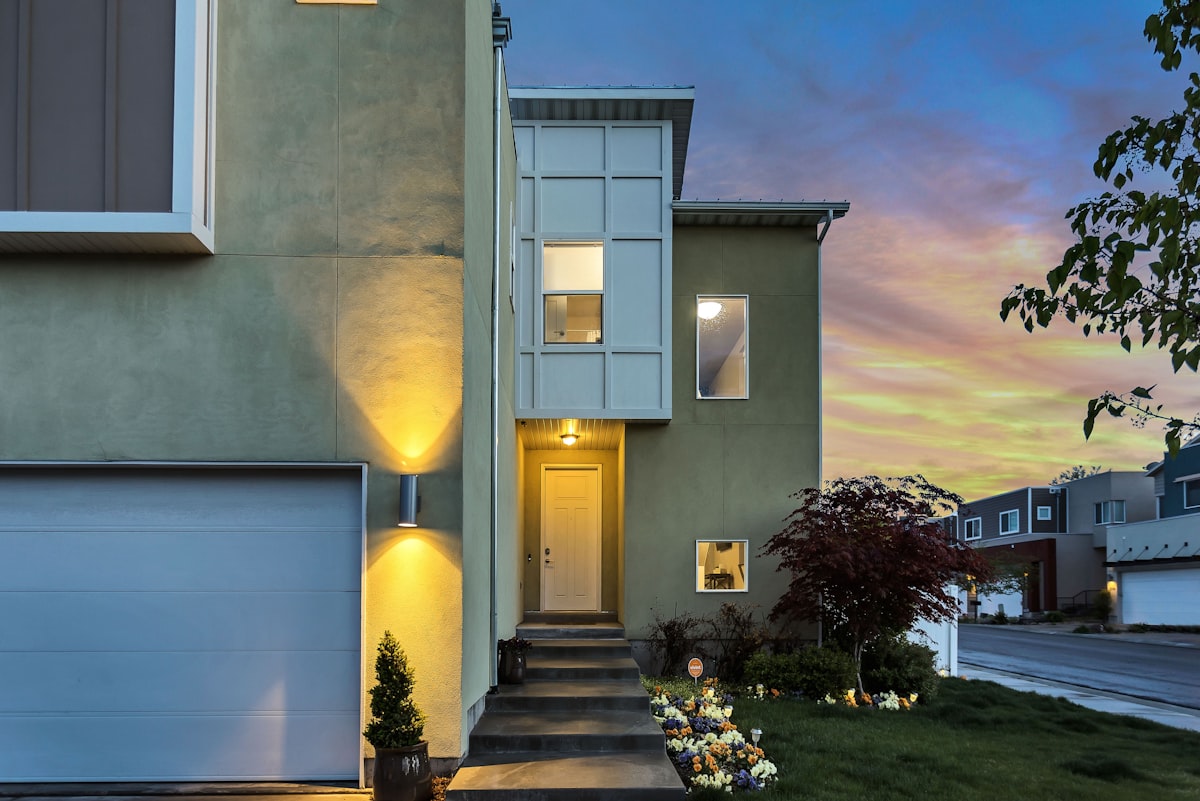
If your household is moving to UBC Vancouver, the biggest mistake is treating the search like a standard Vancouver apartment hunt. UBC is not just a school at the edge of the city. It is its own housing ecosystem, with student-family units on campus, university-controlled neighbourhoods, leasehold communities, and a west-side commuter ring that behaves differently from the rest of Metro Vancouver.
For families, that means the question is not simply "How close can we get?" It is "Should we compete for on-campus family housing, pay the Point Grey premium, or trade a longer commute for more rooms and a better daily routine?"
Article Navigation
- The Two UBC Family Markets: Campus vs Open Market
- What a Real Monthly Budget Buys
- Neighbourhood Selection: Point Grey, Wesbrook, Kits, or Dunbar?
- When On-Campus Family Housing Wins
- Extended Reading
- Frequently Asked Questions FAQ
The Two UBC Family Markets: Campus vs Open Market
Families looking near UBC are really choosing between two different systems.
System 1: Student Family Housing on Campus
UBC's Acadia Park is reserved for student families, not the general market. According to UBC's 2025/26 fee schedule, monthly rents were approximately:
| Unit Type | 2025/26 Monthly Rate |
|---|---|
| One Bedroom | CAD 1,486 to 1,588 |
| One Bedroom + Den | CAD 1,640 to 1,827 |
| Two Bedroom | CAD 1,600 to 1,916 |
| Three Bedroom | CAD 2,059 to 2,132 |
| Four Bedroom | CAD 2,237 to 2,306 |
Those numbers are not "cheap" in an abstract sense. They are simply far below comparable west-side open-market asking rents. The catch is access: eligibility is limited, unit size depends on family composition, and UBC places applicants on a waitlist for the unit types they qualify for.
System 2: The Off-Campus Market Around UBC
UBC's own off-campus guide summarizes June 2025 Vancouver asking-rent reports as follows:
| Unit Type | Reported Average Asking Rent |
|---|---|
| One Bedroom | CAD 2,436 to 2,529 |
| Two Bedroom | CAD 3,043 to 3,450 |
| Three Bedroom | CAD 3,682 to 4,497 |
That open-market number is region-wide, but it tells families the core truth: once you step outside student-family housing, UBC-adjacent rentals quickly reprice into the Vancouver west-side bracket.
[!IMPORTANT] The Core UBC Family Insight: On-campus student-family housing and nearby open-market housing are not two versions of the same product. They are two completely different affordability systems.
What a Real Monthly Budget Buys
The right budget question is not "What is the cheapest unit?" It is "What kind of household rhythm can this budget support?"
Under CAD 2,300
This range is generally only realistic for families that qualify for Acadia Park or comparable student-family housing. It is not an open-market UBC strategy.
CAD 3,000 to 3,600
This is the zone where families begin to choose between:
- a smaller 2-bedroom unit on or near campus,
- an older apartment or basement suite in Point Grey,
- or a more spacious option further out, such as Dunbar Southlands.
CAD 3,700 to 4,500
This is the most flexible band for households that need either:
- a better-quality 2-bedroom in a UBC-adjacent neighbourhood, or
- a practical 3-bedroom farther from the immediate campus edge.
What this budget does not guarantee is a premium family unit inside the most desirable buildings at Wesbrook Village or Point Grey without compromise on size, age, or availability.
Neighbourhood Selection: Point Grey, Wesbrook, Kits, or Dunbar?
UBC's off-campus guide is useful here because it frames neighbourhoods by commute and lifestyle rather than just by map distance.
University Village / Wesbrook Village
These are the most UBC-native daily-life options. The campus guide notes that Wesbrook Village is bikeable or walkable to the academic core, has its own grocery store and retailers, and tends to be relatively expensive because units are newer and close to campus.
Best for:
- families who want the shortest possible campus routine,
- households without a car,
- parents who value being able to solve errands on foot.
Main trade-off:
- higher rent for smaller unit sizes.
Point Grey
UBC describes Point Grey as the closest off-campus neighbourhood, about 5 to 10 minutes by bus. The area offers multiple housing types, from basement suites to apartments and whole homes.
Best for:
- families who want to stay extremely close without living inside the campus housing system,
- households who value retail access and west-side neighbourhood stability.
Main trade-off:
- UBC warns directly that Point Grey is one of Vancouver's most expensive neighbourhoods.
Kitsilano
UBC's guide pegs the average trip to campus at about 20 minutes. Kits is attractive because it combines transit, beach access, restaurants, and strong neighbourhood identity.
Best for:
- households that want more city energy than UBC proper,
- partners or spouses commuting elsewhere in Vancouver,
- families that can accept smaller homes in exchange for broader lifestyle access.
Main trade-off:
- rent is high and inventory is competitive.
Dunbar Southlands
UBC notes that groups of roommates often do well in Dunbar because full homes can be more affordable than comparable options in higher-profile areas. For families, that translates into something equally important: a better chance of finding more actual rooms for the same budget.
Best for:
- households that need space more than branding,
- families with children,
- renters who prefer a quieter street network.
Main trade-off:
- some homes sit farther from a major bus route, and late-night transit is weaker than in Kits or Point Grey.
When On-Campus Family Housing Wins
There are situations where Acadia Park or another campus-based family option is not just the cheaper path, but the strategically superior one.
It usually wins when:
- One adult must be on campus daily and commute reliability matters more than square footage.
- Your family is eligible and can tolerate waiting rather than paying immediate open-market premiums.
- Utilities and predictable monthly costs matter more than neighbourhood prestige.
- You need a school-year routine that minimizes transit friction, child-care logistics, and weather exposure.
The open market usually wins when:
- You do not meet student-family eligibility requirements.
- You need a specific move-in date and cannot wait for a housing offer.
- A partner works outside the west side and needs better citywide access.
- Your household wants a home type campus housing may not provide, such as a detached house, laneway suite, or a more private townhouse layout.
Family Rental Decision Framework
UBC families should start with the full household week: campus schedule, partner commute, childcare or school needs, groceries, laundry, parking, storage, and rainy-season transit. A close unit only wins if it supports the whole routine.
On-campus and Wesbrook options buy proximity and services. Point Grey and nearby West Side rentals may offer neighbourhood continuity but can be expensive. Transit-linked alternatives can work when they provide meaningful space or savings without making daily campus access fragile.
Extended Reading
- UBC Family Infrastructure Guide: Schools, Child Care, Community Centres, and the Daily-Life Question
- UBC Commute and Neighbourhood Playbook: Point Grey, Kitsilano, Dunbar, Wesbrook, Broadway, and Transit Trade-Offs
- UBC Wesbrook Village Outlook: Why New Supply Does Not Automatically Mean Cheap Rent
Frequently Asked Questions FAQ
Do UBC families need to live on campus?
No. On-campus options can be useful, but availability, cost, and fit vary. Nearby or transit-linked areas may be stronger for some households.
Why is UBC family rental planning different from a normal Vancouver search?
Campus geography, West Side price pressure, school and childcare access, and transit bottlenecks make UBC a distinct submarket.
What should families budget beyond rent?
Utilities, tenant insurance, parking, transit, childcare, storage, furniture, and the cost of moving again if the first unit fails should all be included.
Sources and Fact-Check Status
- UBC Acadia Park Student Family Residence (UBC Student Housing and Community Services · 2026-05-28)
- UBC Child Care (UBC Child Care · 2026-05-28)
- UBC Child Care: While you are on the waitlist (UBC Child Care · 2026-05-28)
- Vancouver School Board School Directory and Map (Vancouver School Board · 2026-05-28)
Related Reading
Canadian University Housing and Real Estate
Neighbourhood Selection
UBC Family Infrastructure Guide: Schools, Childcare, Community Services, Daily Logistics, and Housing Fit
Families near UBC should not choose housing by rent and commute alone. Schools, childcare, after-school routines, groceries, community centres, parks, and rainy-season travel all shape whether a UBC-area home actually works.
Campus Commute
UBC Commute and Neighbourhood Playbook: Point Grey, Kitsilano, Dunbar, Wesbrook, Broadway, and Transit Trade-Offs
UBC Vancouver housing is shaped by transit reliability as much as rent. This guide compares campus-adjacent living, Point Grey, Kitsilano, Dunbar, Wesbrook, Broadway corridors, and longer commutes so students and families can choose a realistic base.
Neighbourhood Selection
UBC Wesbrook Village Outlook: New Supply, Rent Pressure, Family Infrastructure, and What Growth Really Changes
Wesbrook Village adds meaningful housing and services near UBC, but new supply does not automatically mean cheap rent. This guide explains how development, demand, family infrastructure, and ownership structure affect the area.
InsightEstate.CA
Return to Property Intelligence Lab for more Canadian real estate research and practical analysis.