Back to Canadian regions

Province Real Estate Decision Page

Ontario

Ontario should not be reduced to one Toronto market. Readers often need to compare GTA commute costs, downtown condos, suburban townhouses, student rentals, family school decisions, winter mobility, and condo documents.

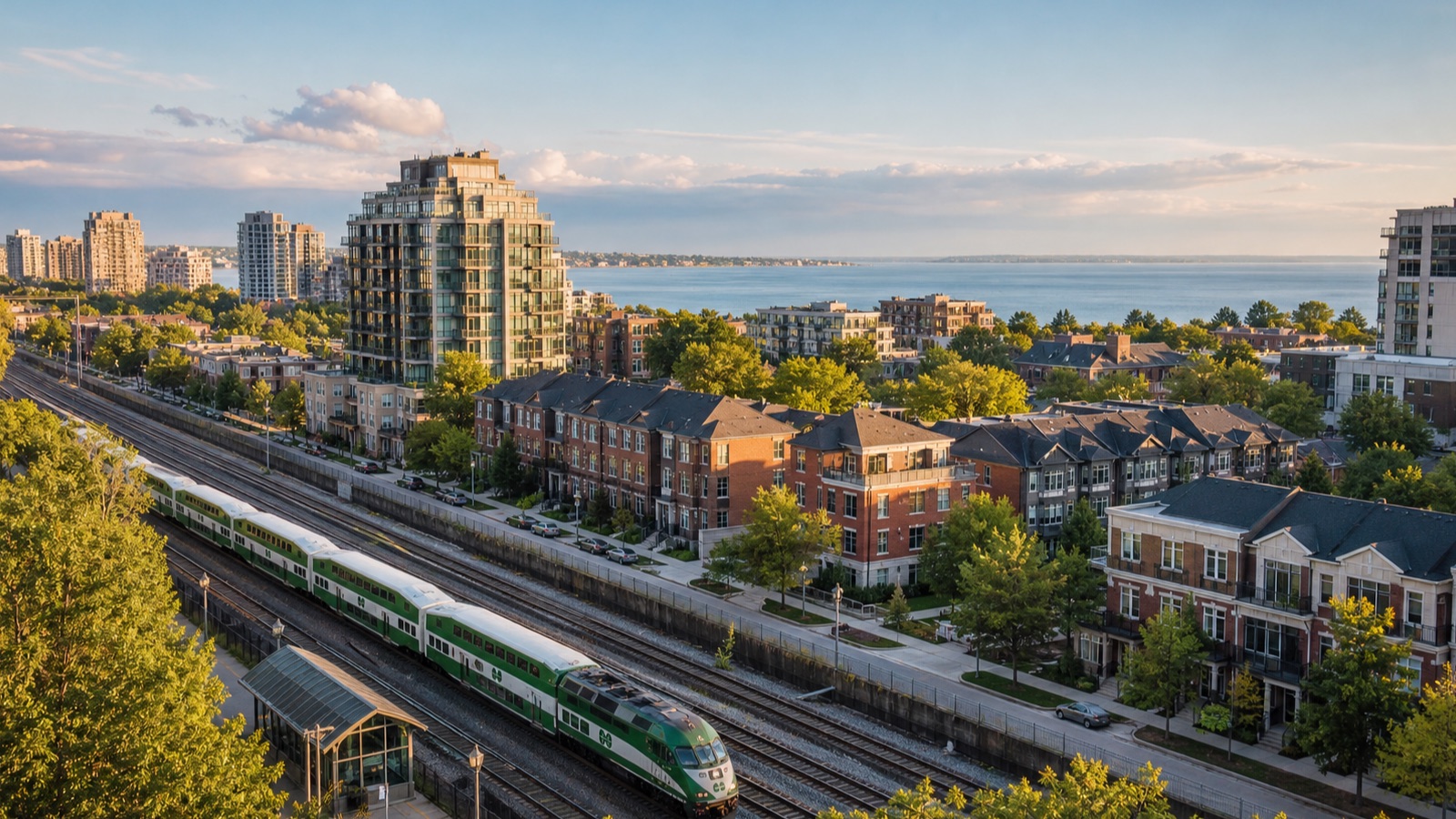
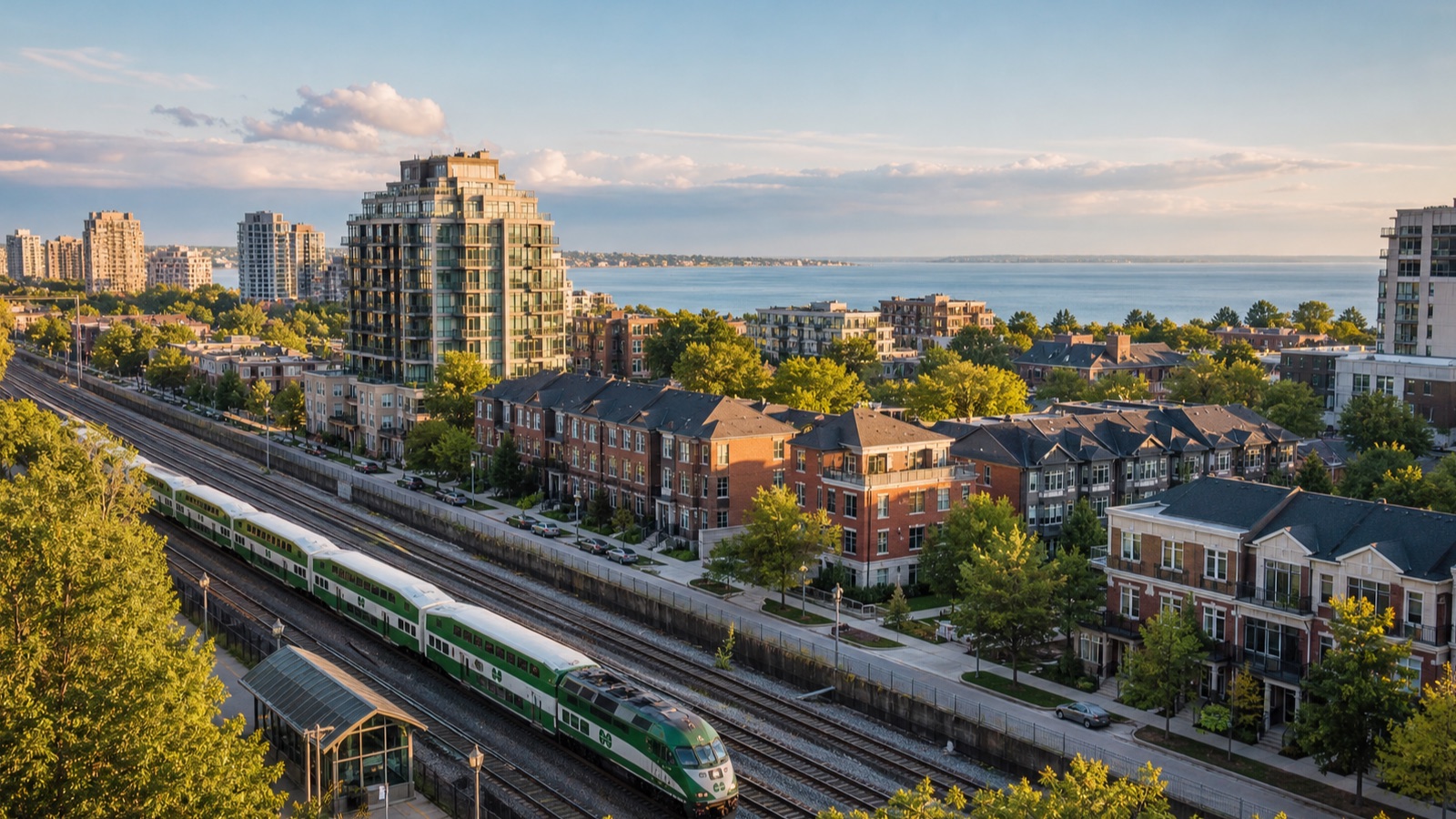
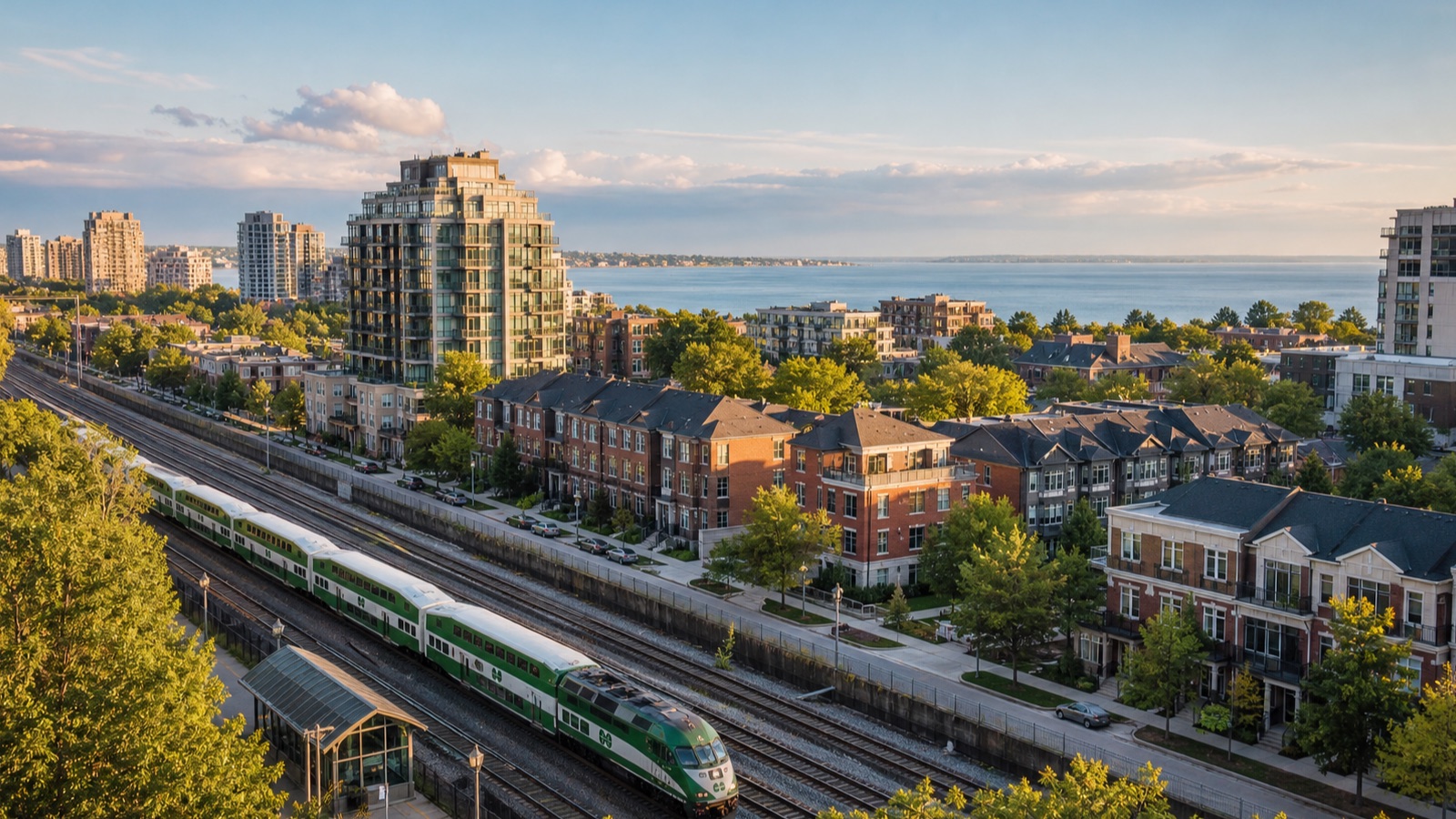
GTA commuting, GO/TTC access, lakefront cities, brick homes, and condo / townhouse trade-offs.

Ontario regional housing visual

Major Cities and Housing Systems

Ontario regional decisions often involve GTA affordability, condo versus townhouse trade-offs, cross-city commuting, university-area rentals, and wide differences between Toronto and smaller city systems.

Toronto

Canada’s largest city is highly layered across education, employment, transit, and housing types. Downtown condo, campus-area, and family-flexibility decisions should be separated.

High
  • Households prioritizing career access, urban convenience, and multicultural services
  • Readers comparing U of T, TMU, York, or OCAD rental zones
  • Buyers weighing downtown condo life against suburban family flexibility

Read city page

Ottawa

Canada’s capital combines government, tech, universities, and cross-river living. Ottawa and Gatineau should be compared across tax, health care, school, lease, and commute systems.

Mid-High
  • Government, tech, and education-linked households
  • Readers comparing Ottawa and Gatineau living trade-offs
  • Families studying uOttawa, Carleton, or Algonquin rental options
Read city page

Hamilton

Hamilton sits between GTA reach, health care, education, and older industrial-city housing stock. McMaster and the downtown-to-campus corridor deserve separate review.

Mid
  • Budget-aware buyers wanting GTA proximity
  • Readers comparing McMaster-area student and family rentals
  • Households needing to review older homes, transit, and renewal risk
Read city page

Mississauga

A large GTA west-side city shaped by employment nodes, UTM, Sheridan, GO, MiWay, and car-oriented family routines.

Mid-High
  • Families seeking GTA access outside the Toronto core
  • Readers comparing UTM / Sheridan rentals
  • Households balancing car use, GO / MiWay, and family space
Read city page

Waterloo

A tech and university city where co-op rotations, purpose-built student housing, ION transit, and family rentals should be read separately.

Mid
  • Tech and education-linked households
  • Readers comparing Waterloo, Laurier, and Conestoga housing zones
  • Buyers studying how co-op timing affects rental structure
Read city page

London

A Southwestern Ontario health-care and education hub where Western, family rentals, student districts, and lower-density living need to be compared together.

Mid
  • Households valuing health care, education, and mid-sized city life
  • Readers comparing Western-area student and family housing
  • Families trading density for space and calmer daily routines
Read city page

Housing Types and Market Structure

  • GTA condos require status certificate, reserve fund, fee, and rental-rule review.
  • Townhouses and suburban detached homes should be read with commute, parking, repairs, insurance, and family flexibility.
  • University cities and health / tech corridors often mix student, family, and professional rental demand; do not blend them into one assumption.

Tax, Policy, and Document Checks

  • Land transfer tax, municipal property tax, condo documents, Ontario tenancy rules, and municipal short-term-rental rules need separate verification.

Rental and Landlord Risk

  • Toronto should not be treated as one uniform market
  • Condo fees, insurance, rental rules, and special assessments need review
  • Campus-area rentals may involve 8-month, 12-month, and family-housing differences
  • Do not compare Ottawa and Gatineau only by headline price
  • Cross-province tax and legal issues need professional confirmation

Insurance and Climate Risk

  • Winter condition, roof and drainage, basement water, lake-effect weather, and older brick-home maintenance are common ownership checks.

Major Universities and Higher-Education Housing Links

Province-Level Due Diligence Checklist

Condo status certificate, insurance, and reserve fund
TTC / GO commute, noise, and building conditions
University housing and Ontario tenancy resources
Ontario and Quebec tenancy/tax resources
OC Transpo / STO commute conditions
University housing and off-campus resources
Permits, inspection, insurance, and lease documents
HSR and GO commute conditions
McMaster housing and off-campus resources

This page does not provide legal, tax, mortgage, insurance, tenancy, or investment advice. Verify policy, fee, insurance, school, transit, and tenancy details with official sources, current documents, and qualified professionals.

When You Have an Address, Move From Province Context to Property Checks

A province page can frame systems and risks, but many decisions sit inside the address, title, permits, strata / condo documents, insurance, and leases. PropertyLens helps organize verification questions without promising investment outcomes.

Create a PropertyLens Report

FAQ

Can a province page replace a city page?

No. Province pages frame systems and risk categories. City pages go deeper into commute, housing types, schools / universities, and daily friction.

Why not list exact prices or rents here?

This page is a decision framework. Prices, rents, and fees are time-sensitive and should be verified against official data, professional reports, and current market evidence.

Does a university area mean a property is investment-ready?

No. A university is only one demand context. Housing type, lease terms, vacancy, repairs, commute, regulation, and address-specific conditions still need review.