City Real Estate Decision Page

London

Western University, health / education nodes, family homes, student rentals, and winter city commuting.

A Southwestern Ontario health-care and education hub where Western, family rentals, student districts, and lower-density living need to be compared together.
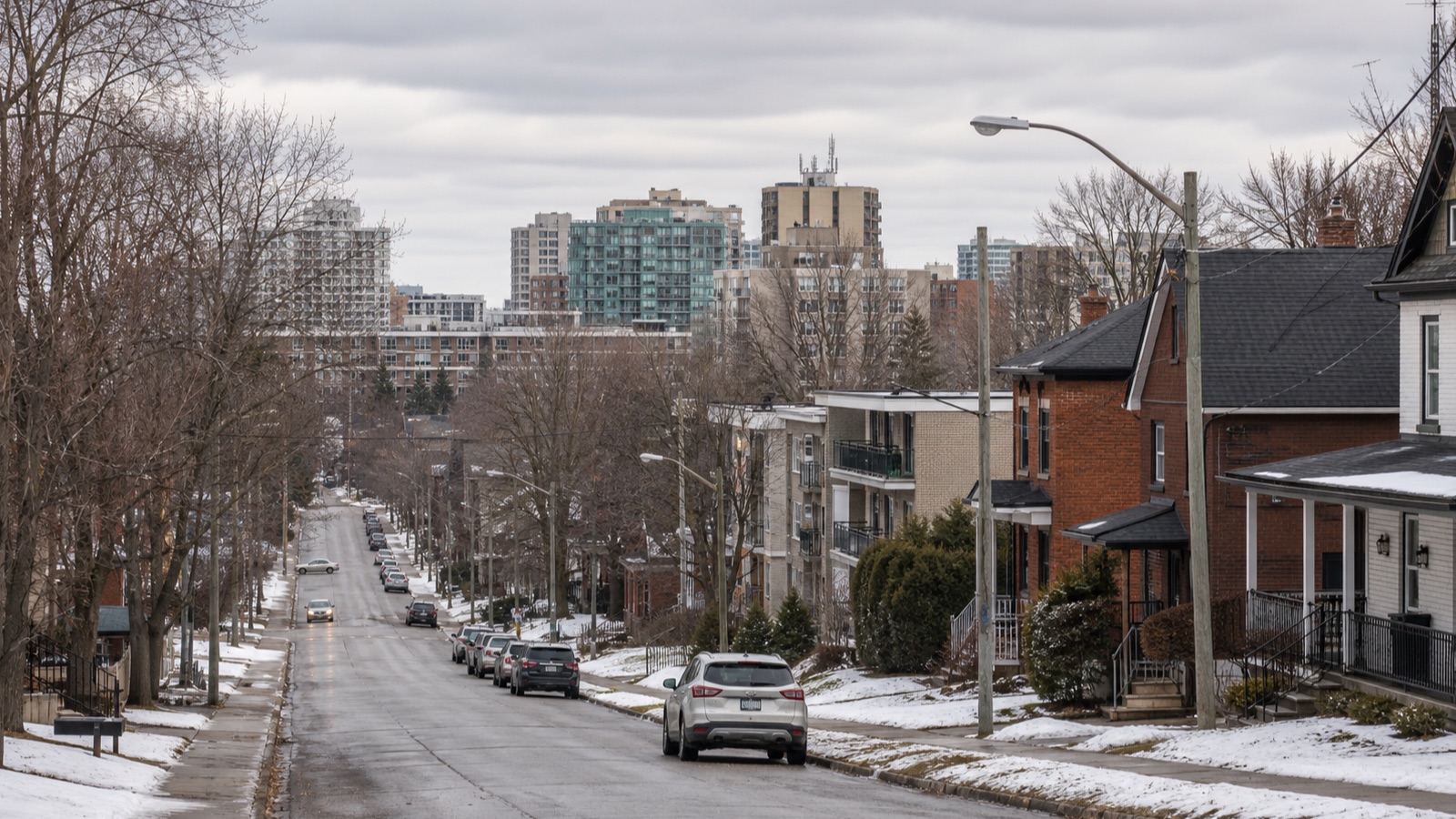
London housing decision visual

The Real Estate Decision Problem in This City

Western University, health / education nodes, family homes, student rentals, and winter city commuting.

Households valuing health care, education, and mid-sized city life
Readers comparing Western-area student and family housing
Families trading density for space and calmer daily routines

Residential Subareas and Daily-Life Systems

  • Western / Masonville: campus, family homes, and student rentals need separation.
  • Downtown: apartments, employment, and transport, with daily feel to field-check.
  • South / East London: price, commute, condition, and audience should be read together.

Housing Types and Buyer / Renter Profiles

  • GTA condos require status certificate, reserve fund, fee, and rental-rule review.
  • Townhouses and suburban detached homes should be read with commute, parking, repairs, insurance, and family flexibility.
  • University cities and health / tech corridors often mix student, family, and professional rental demand; do not blend them into one assumption.

Holding Cost and Cash-Flow Risk

  • Lower cost still requires employment and resale-audience review
  • Student districts, family areas, and health-care commutes differ
  • Older homes, rental legality, and insurance need verification

Commute and Daily Friction

  • Northwest London, Old North, and downtown have different daily patterns
  • Health care and university resources are strong, but many trips rely on bus or car
  • Winter roads and family grocery routes should be tested

Schools, Universities, Rentals, and Resale Demand

Fanshawe College

Fanshawe adds a northeastern London education node that should be checked against actual campus, commute, and rental supply.

Buyer, Owner, and Landlord Checks

  • Western housing and Platt’s Lane information
  • LTC commute, lease, and permit records
  • Building condition, insurance, and maintenance history
  • Land transfer tax, municipal property tax, condo documents, Ontario tenancy rules, and municipal short-term-rental rules need separate verification.

Poor-Fit Profiles and Red Flags

  • Lower cost still requires employment and resale-audience review
  • Student districts, family areas, and health-care commutes differ
  • Older homes, rental legality, and insurance need verification
  • Winter condition, roof and drainage, basement water, lake-effect weather, and older brick-home maintenance are common ownership checks.

Related Reading

This page does not provide legal, tax, mortgage, insurance, tenancy, or investment advice. Policy, fee, school, transit, and insurance details can change; verify official sources and current documents.

Turn a City Impression Into Address-Level Questions

A city page can frame the research problem. Once you have an address, check title, permits, strata / condo documents, insurance, tax, leases, commute, and university information directly. PropertyLens helps organize questions and does not replace professional advice.

Create a PropertyLens Report

FAQ

Can this city page decide whether a specific address is worth buying?

No. It builds a local research framework. The final decision still needs the address, documents, budget, and professional review.

Does being near a university guarantee rental demand?

No. A university is only one demand context. Housing type, lease terms, vacancy, repairs, rules, commute, and renter profile still matter.

What does PropertyLens do in this city workflow?

It helps turn city-level concerns into address-level verification questions. It does not promise appreciation, rental success, financing, or compliance outcomes.