City Real Estate Decision Page

Montreal

Francophone city with McGill / Concordia / UdeM, duplex / triplex housing, Metro, and lease rules.

A bilingual cultural city with strong Metro access and dense university geography. Quebec lease rules and French-language daily life should be understood before making housing assumptions.
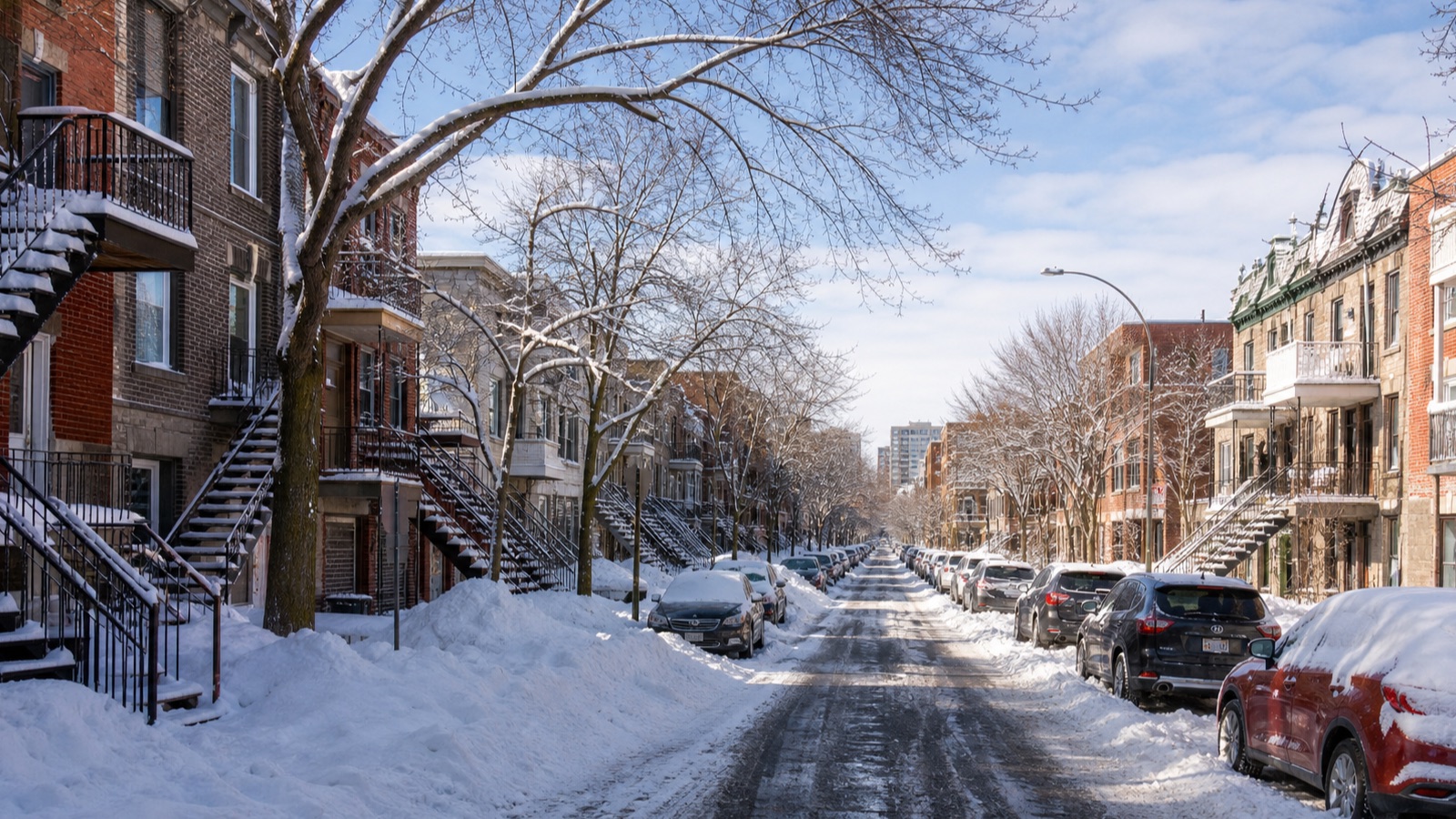
Montreal housing decision visual

The Real Estate Decision Problem in This City

Francophone city with McGill / Concordia / UdeM, duplex / triplex housing, Metro, and lease rules.

Households valuing culture, walkability, and campus-area living
Readers comparing McGill, UdeM, Concordia, or UQAM rental zones
Families willing to understand Quebec lease and language systems

Residential Subareas and Daily-Life Systems

  • Downtown / McGill: density, campus demand, and lease rules need review.
  • Plateau / Mile End: duplexes, triplexes, walk-ups, and maintenance responsibilities matter.
  • NDG / Côte-des-Neiges: Concordia / UdeM, family, and student needs overlap.

Housing Types and Buyer / Renter Profiles

  • Montreal often involves duplexes, triplexes, walk-ups, apartments, and condos; documents and maintenance responsibilities need separation.
  • Quebec City and Laval have different family-housing and commute patterns; do not decide on lower price or city reputation alone.

Holding Cost and Cash-Flow Risk

  • Do not import tenancy assumptions from other provinces
  • Student rentals and family rentals differ by lease, furniture, and location
  • Campus proximity does not make every address a good long-term fit

Commute and Daily Friction

  • Metro and walkable districts provide strong mobility, but winter is real
  • Plateau, NDG, downtown, and Côte-des-Neiges have different housing patterns
  • French language, health care, and school systems matter for relocation

Schools, Universities, Rentals, and Resale Demand

Buyer, Owner, and Landlord Checks

  • Quebec tenancy resources
  • University housing and off-campus information
  • Metro commute, winter access, and building maintenance
  • Leases, condo / divided co-ownership, municipal tax, school tax, and language-document readability should be part of professional review.

Poor-Fit Profiles and Red Flags

  • Do not import tenancy assumptions from other provinces
  • Student rentals and family rentals differ by lease, furniture, and location
  • Campus proximity does not make every address a good long-term fit
  • Snow season, roofs, facades, aging stone or brick, ice dams, and basement humidity are common risk areas.

Related Reading

This page does not provide legal, tax, mortgage, insurance, tenancy, or investment advice. Policy, fee, school, transit, and insurance details can change; verify official sources and current documents.

Turn a City Impression Into Address-Level Questions

A city page can frame the research problem. Once you have an address, check title, permits, strata / condo documents, insurance, tax, leases, commute, and university information directly. PropertyLens helps organize questions and does not replace professional advice.

Create a PropertyLens Report

FAQ

Can this city page decide whether a specific address is worth buying?

No. It builds a local research framework. The final decision still needs the address, documents, budget, and professional review.

Does being near a university guarantee rental demand?

No. A university is only one demand context. Housing type, lease terms, vacancy, repairs, rules, commute, and renter profile still matter.

What does PropertyLens do in this city workflow?

It helps turn city-level concerns into address-level verification questions. It does not promise appreciation, rental success, financing, or compliance outcomes.